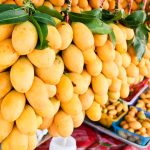

Mangoes are not just delicious — they’re a symbol of tropical abundance. If you’re considering mango farming, you’re entering a lucrative and rewarding agricultural field. This guide will walk you through everything you need to know, from planting to harvesting.
1. Choosing the Right Mango Variety
Different regions favor different mango varieties. Some of the most popular include:
- Alphonso (India) – Premium and aromatic
- Sindhri (Pakistan) – Sweet and juicy
- Kent (USA) – Great for export
Choose a variety that suits your climate and soil.
2. Preparing the Land
- Mango trees thrive in well-drained loamy soil.
- Ensure a pH between 5.5 to 7.5.
- Avoid water-logged or saline soil.
3. Planting Your Mango Tree
- Best time: June to August (rainy season)
- Distance: Maintain 10×10 meter spacing for proper sunlight and air circulation.
- Dig a pit, mix compost, and water regularly for the first few months.
4. Irrigation & Fertilization
- Young plants: Water weekly
- Mature trees: Water during flowering and fruit-setting stages
- Fertilizers: Use NPK (Nitrogen, Phosphorus, Potassium) every 6 months
5. Pest & Disease Management
Watch out for:
- Mango hoppers
- Powdery mildew
- Anthracnose
Use neem oil or recommended fungicides.
6. Harvesting Mangoes
- Harvest after 100–150 days of flowering
- Look for full size, slight color change, and fruity aroma
- Handle gently to avoid bruising
Conclusion
Mango farming can be a profitable venture if managed correctly. Whether you’re growing for local sale or export, healthy trees and proper timing are key.